November 12, 2025
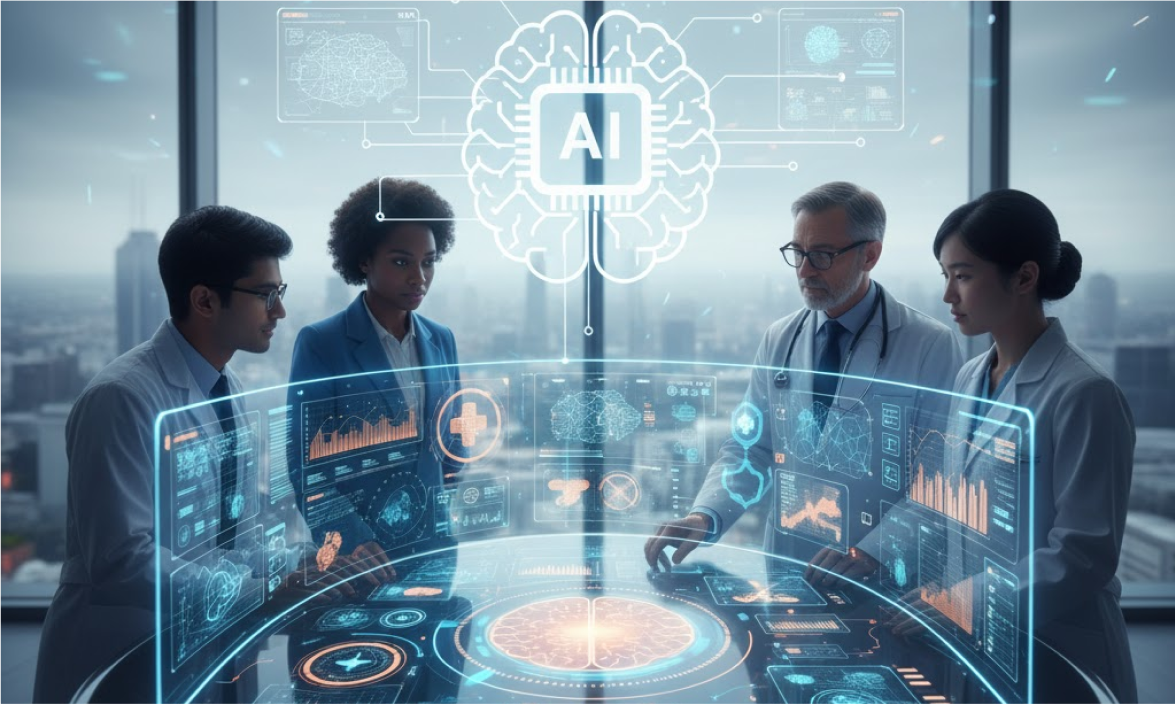
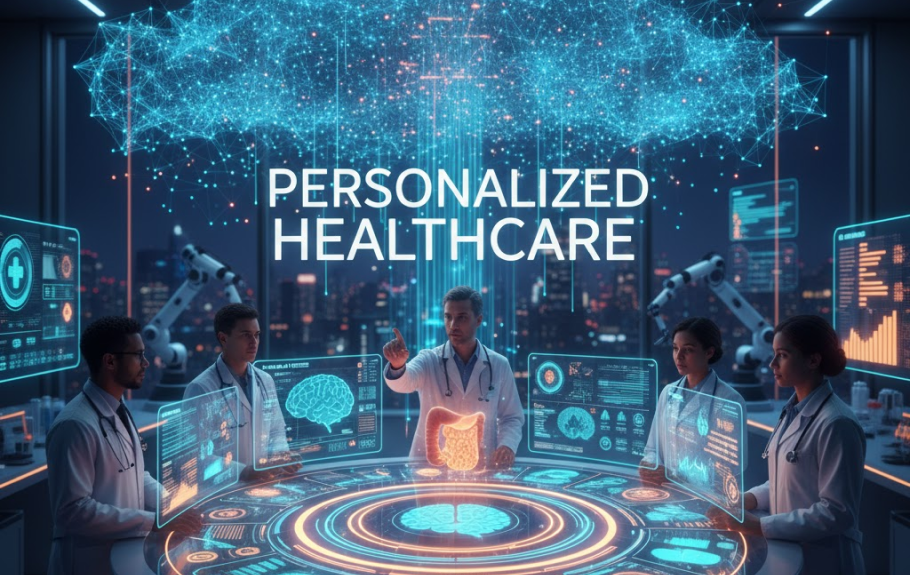
Healthcare is evolving rapidly, moving from a “one-size-fits-all” approach to personalized care tailored to individual patients. This shift is being driven by data analytics and artificial intelligence (AI), which allow healthcare providers to make smarter decisions, predict outcomes, and deliver treatments that are more effective for each patient.
Data analytics is at the heart of personalized healthcare. By collecting and analyzing patient data — such as medical history, lab results, lifestyle information, and genomics — healthcare organizations can uncover patterns and insights that were previously impossible to detect.
This enables:
Predictive care: Identifying potential health risks before symptoms appear.
Customized treatment plans: Tailoring therapies based on patient-specific data.
Improved patient outcomes: Monitoring progress and adjusting care in real-time.
AI complements data analytics by processing large and complex datasets quickly and accurately. Machine learning algorithms can detect subtle correlations between patient characteristics and treatment responses.
Key AI applications in personalized healthcare include:
Precision medicine: Selecting medications and therapies based on genetic profiles.
Predictive diagnostics: Anticipating diseases such as diabetes, heart conditions, or cancer.
Virtual health assistants: Providing personalized guidance, reminders, and wellness tips.
AI-assisted imaging: Analyzing scans to detect abnormalities faster and more accurately.
Better Patient Engagement
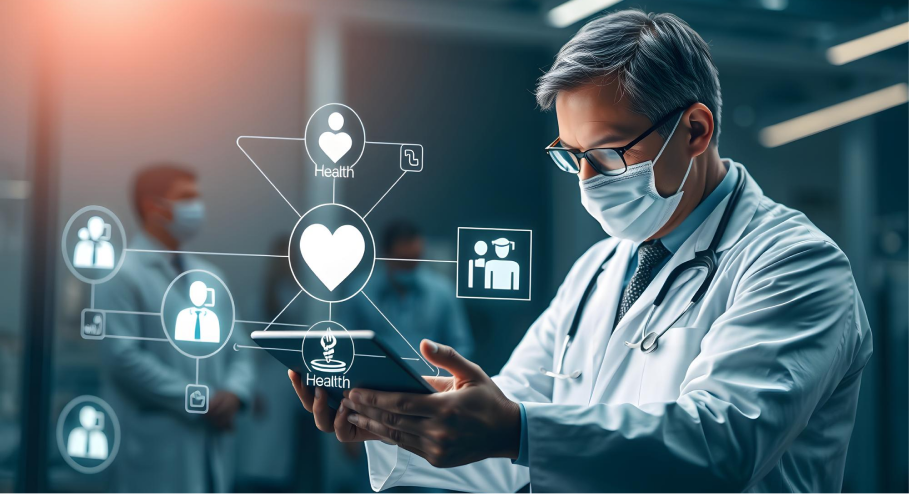
Patients receive care that is tailored to their needs, increasing adherence to treatment plans and improving overall satisfaction.
Reduced Costs
Early detection and predictive care help prevent complications, lowering hospital visits and expensive interventions.
Enhanced Clinical Decision-Making
Healthcare providers can make more informed decisions backed by data-driven insights rather than relying solely on experience.
Faster Innovation
AI accelerates research, enabling the development of new therapies and treatments with greater precision.

Oncology: AI models analyze tumor genomics to recommend personalized chemotherapy regimens.
Cardiology: Predictive algorithms flag patients at risk of heart attacks before symptoms appear.
Diabetes Management: Wearable devices and AI analytics help monitor glucose levels and optimize treatment.
By combining data analytics, AI, and wearable technology, healthcare is becoming more proactive, predictive, and patient-centric. The focus is shifting from treating diseases to preventing them and tailoring interventions for each individual.
As technology continues to advance, personalized healthcare solutions will not only improve outcomes but also transform the way care is delivered — making it smarter, faster, and more precise than ever before.

AI and data analytics are no longer optional tools in healthcare; they are essential enablers of personalized care. By leveraging these technologies, providers can offer treatments tailored to each patient, improve clinical outcomes, and create a more efficient and compassionate healthcare system.
Regus - Ahmedabad, Privilon SG Highway, 2nd Floor, East Wing, Privilon, Ambli Road, Sarkhej - Gandhinagar Highway, Ahmedabad, Gujarat 380058